
ai detector
Have you ever read a paragraph online and wondered if a human or a robot wrote it? Today, smart computer programs can write essays, poems, and emails in just a few seconds. Because of this, people started using an ai detector to check who—or what—created the content.
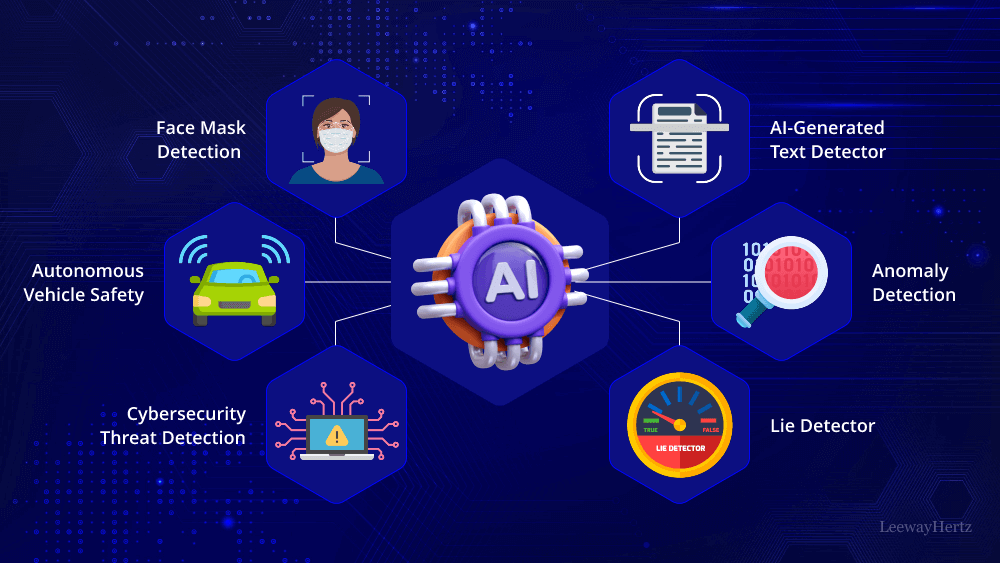
An ai detector is a special software tool that looks at words, sentences, and patterns to see if they came from artificial intelligence. It acts like a digital detective for text. Whether you are a student, a teacher, or a content writer, knowing how to spot machine writing is becoming a very useful skill. In this guide, we will explore how these tools work, why people rely on them, and how you can use them safely and fairly in your daily life.
What Is an AI Detector and Why Do We Need It?
An ai detector is a computer program designed to scan blocks of text and guess whether a human or a machine wrote them. As smart writing tools become more popular, teachers, bosses, and website owners want to make sure the work they read is original. If everyone used robots to write everything, the internet would feel very boring and repetitive.
Using an ai detector helps keep communication honest and real. For example, teachers want to know that students are learning by writing their own book reports. Meanwhile, website owners want to read real product reviews written by actual customers, not computer scripts. These detectors protect trust and originality across the web by shining a light on hidden robot text.
How Do AI Detectors Actually Work?
You might wonder how an ai detector can tell the difference between a human and a machine. It all comes down to two main ideas: predictability and sentence patterns. When a computer model writes, it usually picks the most predictable next word based on math and statistics. Because of this, robot writing often flows in a very smooth, steady, and sometimes boring rhythm.
On the other hand, humans write with messy emotions, random thoughts, and creative flair. We might use a strange slang word, write a very short sentence followed by a long one, or make a little typo. An ai detector measures these differences by looking for high predictability and uniform sentence lengths. If a text looks too neat and robotic, the tool flags it as machine-made.
The Role of Perplexity and Burstiness
To understand an ai detector even better, we have to talk about two big industry words: perplexity and burstiness. Perplexity measures how complex or surprising a word choice is to the computer. If a sentence uses unusual words that surprise the reader, it has high perplexity, which usually points to a human writer.
Burstiness is all about how much sentence lengths and structures vary. Humans love to mix things up. We write a quick, punchy sentence, and then we write a longer, descriptive one. Machines tend to keep every single sentence the exact same length. When an ai detector checks a page, it looks for low burstiness and low perplexity to decide if a machine did the typing.
Who Uses AI Content Checkers Today?
Many different groups of people rely on an ai detector every single week. School teachers and college professors use them to grade homework and make sure students do their own thinking. If a student tries to turn in a robot-generated essay, these tools help the teacher catch it quickly and fairly.
Content creators, blog editors, and marketing teams also use an ai detector to check freelance writers. They want to ensure the articles they buy are authentic and packed with real human experience. Even job recruiters sometimes scan cover letters to see if applicants wrote their own introductions. In short, anyone who values genuine human creativity finds these scanning tools helpful.
Common Limitations of AI Detection Tools
Even though an ai detector is very smart, it is not always one hundred percent accurate. Sometimes, these tools make mistakes and point the finger at innocent human writers. If a person writes in a very clean, formal, and structured way, the detector might get confused and call it robot text.
Non-native English speakers also run into trouble with an ai detector. People who are learning English often write with simple vocabulary and steady sentence structures because they want to be clear. This careful style can accidentally trigger false alarms. Because of these errors, you should never punish someone based on a detector score alone; always look closer and use your own best judgment.
Tips to Make Your Writing Sound More Human
If you want to make sure your work never triggers an ai detector, you need to focus on adding your own personal touch. First, share real-life stories and personal opinions that a computer could never guess. A machine does not know what you ate for breakfast or how you felt during your first day of school.
Second, play with your sentence lengths. Write a short sentence. Then write a longer one that explains your thoughts in detail. Add humor, idioms, or casual conversational phrases. By injecting real emotion and unpredictable style into your paragraphs, your writing will easily sail past any ai detector while keeping your readers hooked from start to finish.
How Search Engines View AI Content
Many people worry that Google hates all machine-written text and will ban websites that use it. However, Google’s official guidelines state that they care about quality, not how the content was made. If an article is helpful, accurate, and truly answers a user’s question, search engines are happy to rank it high.
The problem starts when people use cheap robot tools to spam the internet with thousands of low-quality pages. That is why running your text through an ai detector and then editing it by hand is so important. When you add original insights, expert advice, and a warm human voice, search engines will reward your pages with great rankings.
Best Practices for Using Detection Software Responsibly
If you decide to use an ai detector for your school or business, you must use it fairly. Treat it as a helpful suggestion box rather than an absolute judge. If a tool flags a piece of writing, talk to the writer first before jumping to conclusions or accusing them of cheating.
It is also smart to test multiple different detectors instead of trusting just one. Different programs use different math formulas to scan words. By comparing results from two or three separate tools, you get a much clearer picture of whether a piece of text is truly human or machine-made.
The Future of AI Detection and Human Writing
As computer technology keeps growing smarter every single day, the battle between robot writing and an ai detector will only get more interesting. Newer writing models are learning to mimic human emotions and varied sentence structures much better than older versions did.
At the same time, detection developers are building sharper tools that look deeper into context and meaning. No matter how advanced technology becomes, one thing will always remain true: genuine human stories, personal feelings, and real-world experiences will always be special. Machines can string words together, but they can never truly live life for us.
FAQs
1. What is an ai detector used for?
An ai detector is used to check if a piece of text was written by a human or generated by an artificial intelligence program.
2. Are ai detectors always accurate?
No, they are not always correct. They can sometimes make mistakes and give false alarms on real human writing, especially from students or non-native speakers.
3. Can Google penalize my website for AI text?
Google does not punish websites just for using AI. They care about helpfulness and quality. If your content is useful to readers, it can do well.
4. How can I pass an ai detector easily?
You can pass by adding personal stories, using varied sentence lengths, sharing unique opinions, and editing the text in your own natural voice.
5. Do teachers use ai detectors for homework?
Yes, many teachers and professors use these tools to check student essays and ensure learners are doing their own original research and writing.
6. What makes text look like it was written by AI?
Robot text usually has low burstiness and high predictability, meaning every sentence is the same length and uses very common, expected words.
Conclusion
Understanding how an ai detector works gives you a big advantage in today’s digital world. Whether you are writing school reports, building a blog, or editing marketing emails, keeping your voice authentic is the key to success. Don’t be afraid of new technology, but always remember to add your own personal experiences and creativity to everything you share. Try running a draft through a detector today, add some personal flair, and let your true voice shine! What are your thoughts on using AI tools for writing?
About the Author